
A Practical Guide to Writing Space Opera Fiction

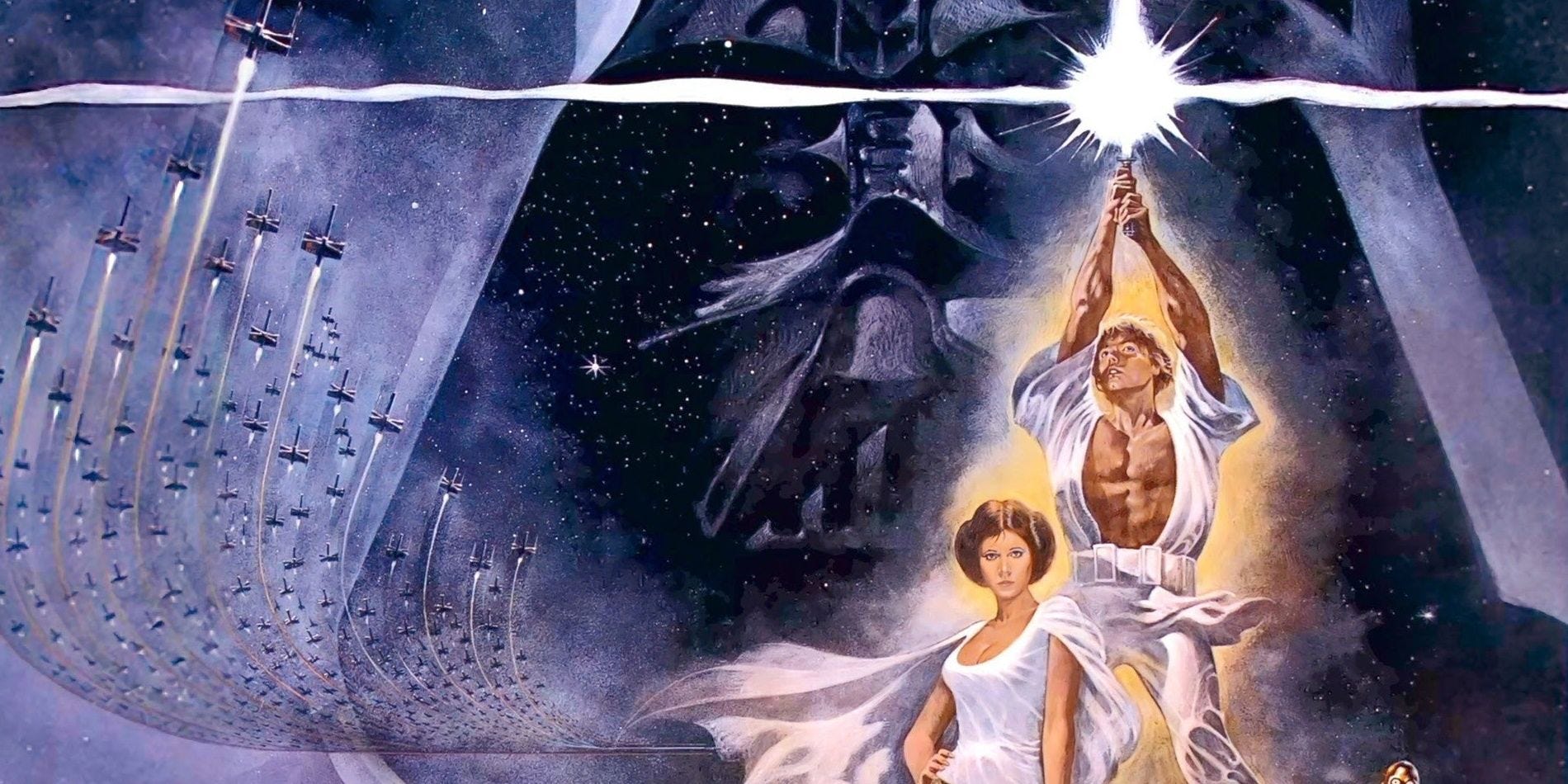
Space opera is a thrilling subgenre of science fiction (often with fantasy vibes) that delivers epic, sweeping adventures across the stars. Think of it as epic fantasy transplanted into outer space: grand-scale conflicts, heroic quests, larger-than-life characters, interstellar empires, alien civilizations, and massive space battles all bathed in high-stakes drama and melodramatic energy.
Space operas prioritize excitement, emotion, spectacle, and fun over strict realism.
What makes a science fiction story a space opera? Space operas, like operas, are dramatic, ambitious, and mysterious with big story arcs that take you someplace interesting.
How to Write a Space Opera
Start with a great hook (a desperate sign-on to a doomed hunt?), let the galaxy unfold, and charge ahead with fun, ambition, and heart:
Dream big with world-building: Create a rich, lived-in universe. Sketch galactic politics, alien species, ancient histories, and factions (empires, rebels, corporations). Build a detailed “series bible” for consistency, but reveal the info gradually. (Scroll down for a post on this.)
Anchor plot with strong characters & personal stakes:
Start with a relatable protagonist (desperate narrator fleeing debt, a rogue pilot).
Give them a quest tied to larger threats—personal vendetta becomes galaxy-saving mission.
Add ensemble crew for banter, conflict, romance, and growth.
Craft a propulsive plot:
Use a classic structure of peril → hero’s call to adventure → journey across stars → escalating battles → climactic showdown.
Break massive stakes into smaller, character-driven arcs.
Mix action (space dogfights) with quieter moments (philosophical talks in zero-G, forbidden love).
Embrace melodrama & spectacle—high-stakes action & conflict:
Go bold with over-the-top villains, betrayals, sacrifices, sweeping vistas.
Lean into emotion—obsession, loyalty, despair, triumph. (Pseudoscience is fine; consistency matters more than realism.)
Balance scale with intimacy: Tell big stories through small lenses, like a single ship’s voyage being a microcosm of the galactic chaos. Use exploration to showcase wonder—alien worlds, cosmic horrors.
Polish, polish, polish: Vivid prose that comes to life on the page (lyrical battles, profane banter, philosophical asides). Play with tropes (Ahab-like captains, ragtag crews), subvert them for freshness (queer leads, body horror, satire on debt/capitalism).
Remember to include the following elements:
Vast scale: Stories span planets, star systems, or entire galaxies. Settings feel huge with multiple alien races, interstellar governments, sprawling empires, or crumbling federations.
Romantic/melodramatic adventure: Bold heroes (or anti-heroes), quests, personal vendettas, love stories, betrayals, and emotional depth as characters face huge external threats but also inner struggles.
Ensemble casts & exploration: Diverse crews, quirky aliens/humans, planetary hops, and wonder at the cosmos.
Spaceships & tech as backdrop: FTL (faster than light) drives, massive vessels, alien tech—treated casually, not rigorously explained.
Don’t be afraid to use different tones: You might alternate between the lyrical and philosophical and the bawdy and profane, like Alexis Hall in “Hell’s Heart”. O vary pulpy and fun, philosophical, dark, satirical with heartfelt passages that blend spectacle with character drama.
List of space operas
The First Lensman (1950) (The Lensman Series), by E. E. “Doc” Smith
Nominated for the Hugo Award for Best All Time Series. A super-intelligent alien race gives worthy members of the Galactic Patrol a “Lens” that gives the wearer telepathic and other powers, leading to many exciting adventures.
Foundation (1951) (Foundation Series), by Isaac Asimov
The Foundation trilogy won the Hugo Award for Best All-Time Series in 1966. Using the science of Psychohistory, the Foundation tries to save human knowledge and civilization as the galactic Empire collapses.
The Big Jump, (1955) by Leigh Brackett
Leigh Brackett is best known for a blip on her resume: writing an early draft of The Empire Strikes Back, a space opera. But her illustrious career spanned decades and earned her the title “The Queen of Space Opera.” Much of her work is now hard to find, but The Big Jump, about a ship that vanishes using an experimental star drive, and what happens when it comes back, more than holds up today.
The Stars My Destination, (1956) by Alfred Bester
Gully Foyle seeks revenge against those who abandoned him in space. But in his quest, he finds a way to give humanity the stars. With its amoral protagonist and body modifications galore, this retelling of The Count of Monte Cristo could also arguably be the first cyberpunk novel.
Starship Troopers, (1959) by Robert A. Heinlein
Juan “Johnny” Rico, is fighting in the Terran Mobile Infantry against the alien Arachnids. The infantry uses powered armor for enhanced speed and power. Through flashbacks, the reader learns how Johnny rose through the infantry ranks as well as his ideas about society and the role of the military.
Bill, the Galactic Hero, (1965) by Harry Harrison
A satirical take on the tropes of space opera. Bill is shanghaied into the Space Troopers. He accidentally becomes a hero in the war against the reptilian Chingers, then gets lost on his way to receive a medal from the emperor and is branded a deserter.
Dune, (1965) by Frank Herbert
The desert planet Dune is the sole source of the spice melange that is the basis for interstellar travel. Paul Atreides, the young son of a Duke, is caught up in the battle for the control of that planet and its spice. When Paul becomes the leader of Dune’s Fremen, he threatens the empire and alters the course of human history. A few more books followed.
The Centauri Device, (1974) by M. John Harrison
A powerful sentient weapon, known as the Centauri Device, has been uncovered. But it can only be activated by a member of the now extinct Centauran race. When warring factions discover that a non-descript spaceship captain, John Truck, is half Centrauran, the battle begins to find and control him.
The Snow Queen, (1980) by Joan D. Vinge
Due to a bunch of wonky sci-fi reasons involving an orbit around a black hole, the planet Tiamat, the setting of this Hugo Award–winning sci-fi classic, has lovely, 150-year-long summers…and generations-long winters to match. The outgoing Snow Queen, Arienrhod, is supposed to step down, to make way for the long rule of the next Summer Queen, the innocent child Moon. But Arienrhod has set another long-gestating plan in motion…
Startide Rising (1983) (Uplift Series), by David Brin
A complex galactic society is based on one species uplifting another to sentience, but no one knows who uplifted humans. A starship of dolphins and humans discover what may be a derelict fleet of the legendary first sentient race. Alien races fight to gain the secret of that fleet. Winner of the Hugo and Nebula awards.
Cyteen, (1988) by C. J. Cherryh
Genetic engineering is prevalent on the planet Cyteen, making it a power in the Union. Some humans, called “azi” are cloned and conditioned from birth as servants. A murdered brilliant scientist is cloned in the hope that her brilliance will again be a resource for Cyteen. But the murder itself remains unsolved.
Neverness, (1988) by David Zindell
Winner of the Gigamesh Award for best novel in 1991, it features poetic prose that explores themes of mysticism, evolution, and the quest for ultimate understanding it is partly based on “Le Morte d’Arthur” A caste of mathematicians are the pilots of starships. Pilot Mallory Ringess begins a quest for the Elder Edda, believed to hold the secret to immortality. His quest takes him to the Solid State Entity, a nebula sized computer, and to the Alaloi tribe whose genes have been mutated back to the Neanderthals.


I like how you emphasise that space opera is less about rigorous science and more about the "torque" of emotional stakes and melodramatic energy.
Great to have your voice on Substack. I have subscribed and look forward to reading more. I would love you to do the same, if my writing resonates.